Specialized central line maintenance and care at your home
A valid prescription from a registered doctor is required before availing this service.
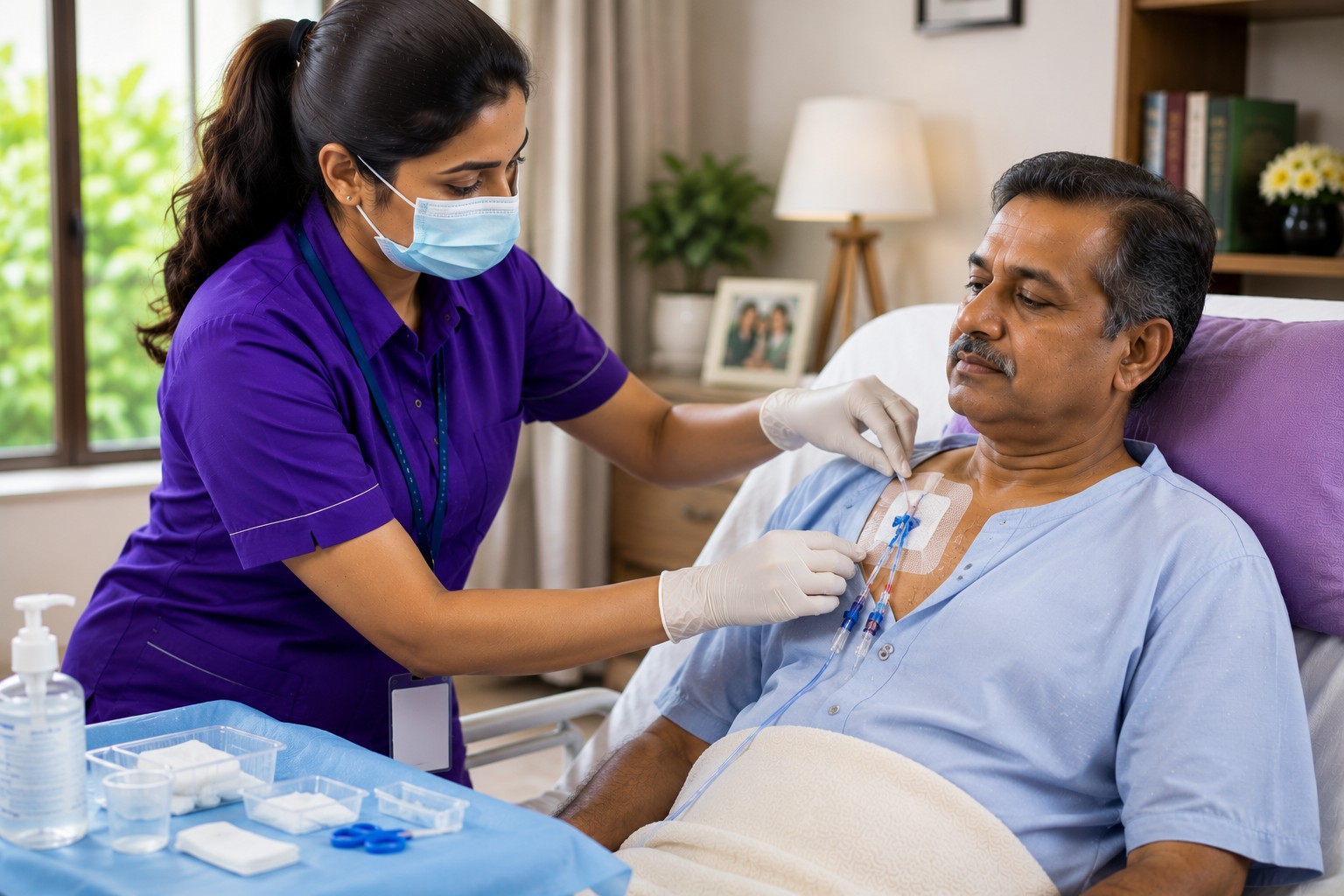
Central venous catheters, or central lines, are vital for long-term medication delivery, fluid management, and other therapies. At Care At Door, we understand the importance of meticulous care for these lines to ensure your health and prevent infections or complications. Our specialized home healthcare service provides professional central line maintenance right at your doorstep. Our highly trained IV nurses are adept at all aspects of central line care, offering a safe and convenient alternative to frequent hospital visits. This service is ideal for individuals who require ongoing central line management and wish to receive expert care in a familiar and comfortable environment. You can trust our nurses to uphold the highest standards of sterile technique and patient safety.
Choosing in-home central line care with Care At Door brings significant benefits. You avoid the stress and potential exposure of hospital or clinic visits, allowing for more rest and recovery in your own surroundings. Our dedicated nurses focus solely on your needs during their visit, providing personalized attention. This continuity of care from skilled professionals helps maintain the integrity of your central line, significantly reducing the risk of infection and other serious complications. Furthermore, receiving care at home offers greater convenience and peace of mind for both patients and their families, ensuring your treatment plan is seamlessly integrated into your daily life.
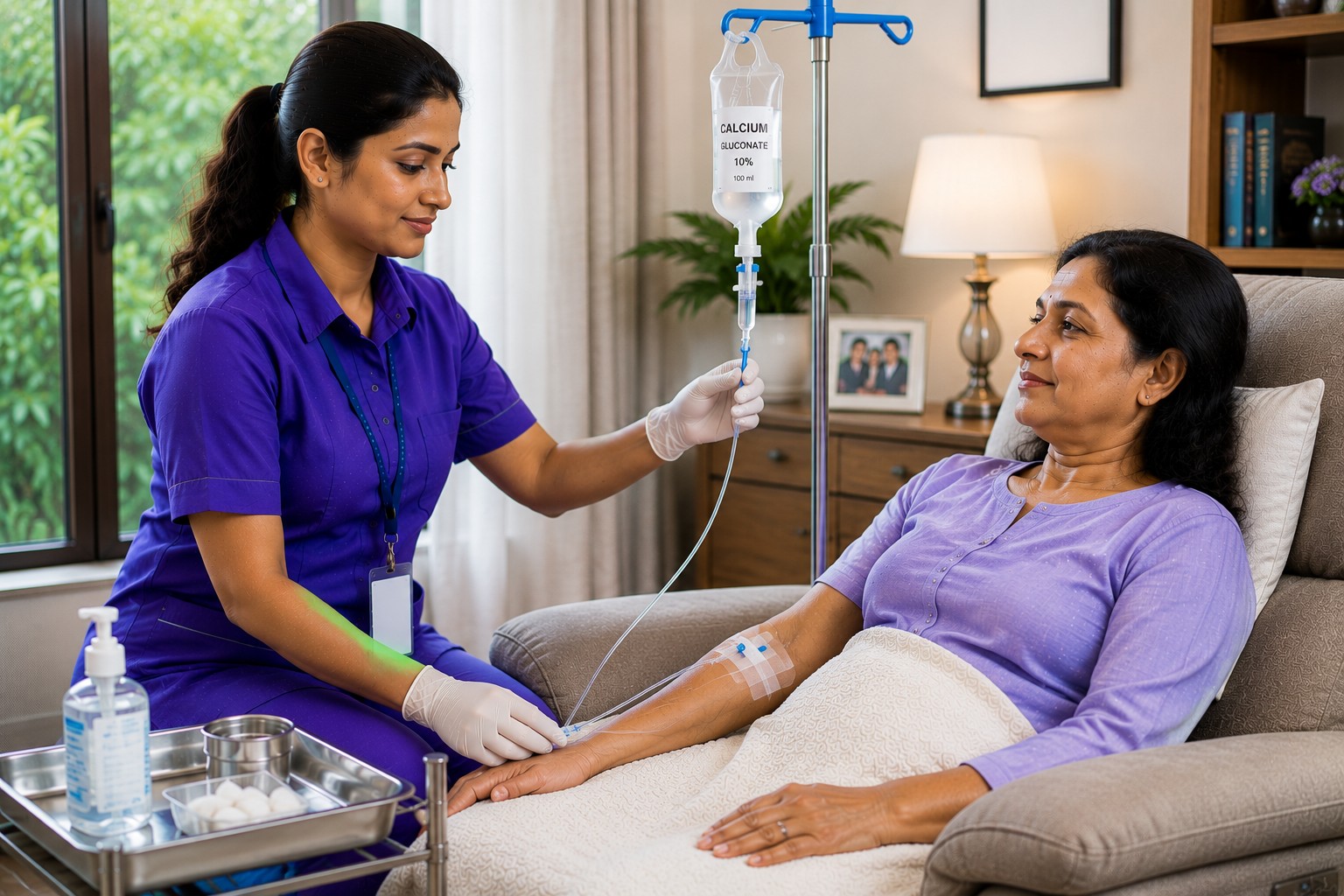
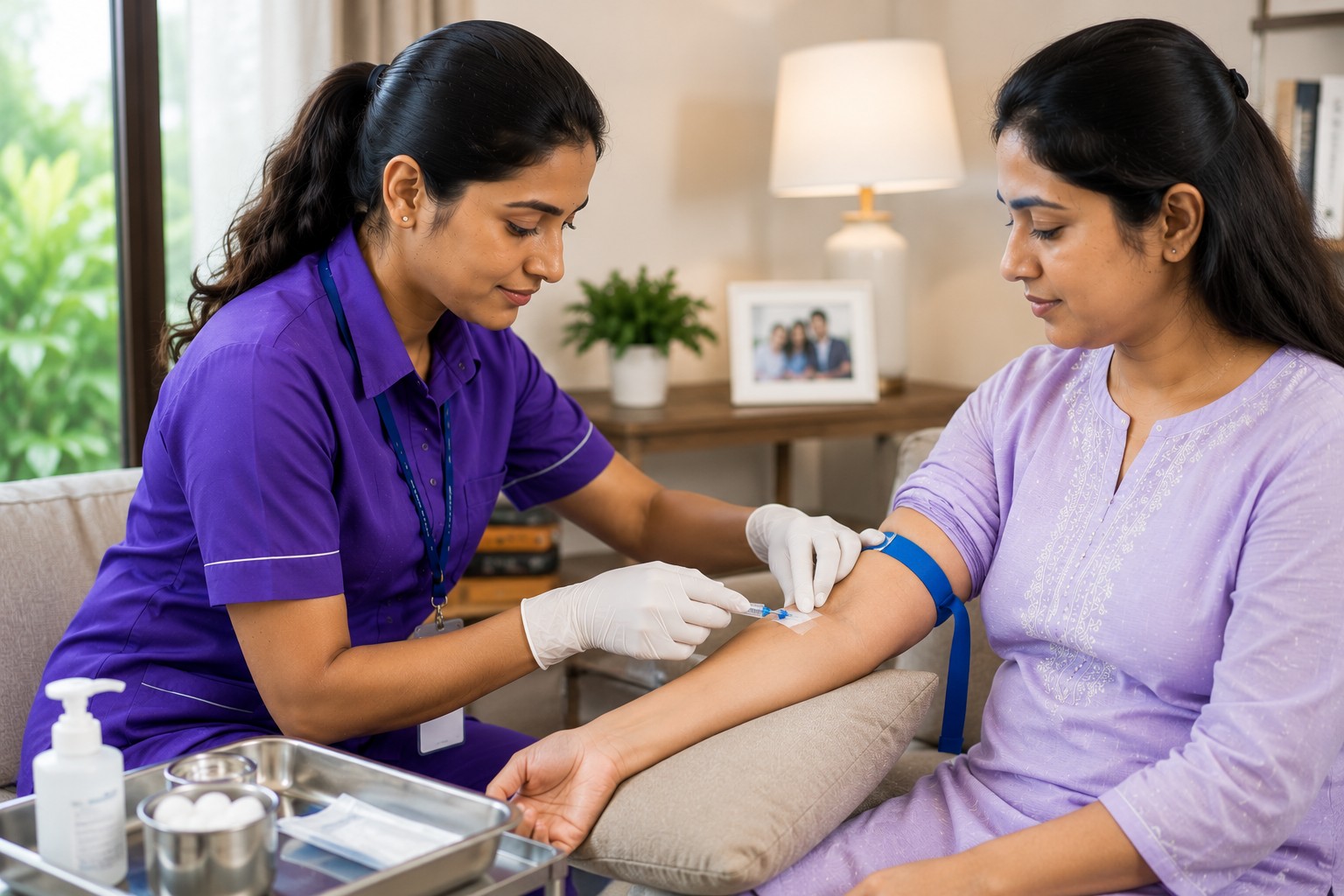
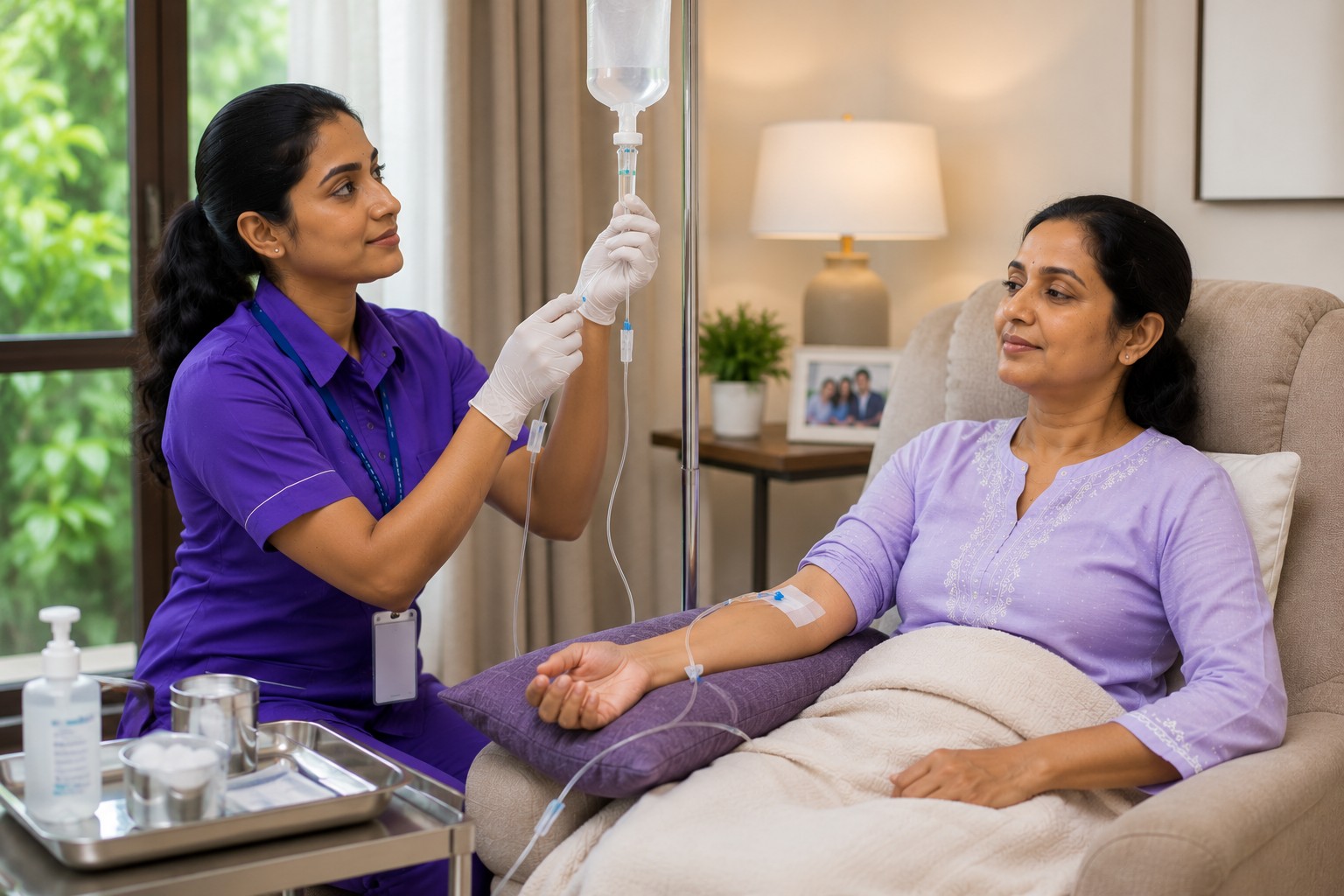
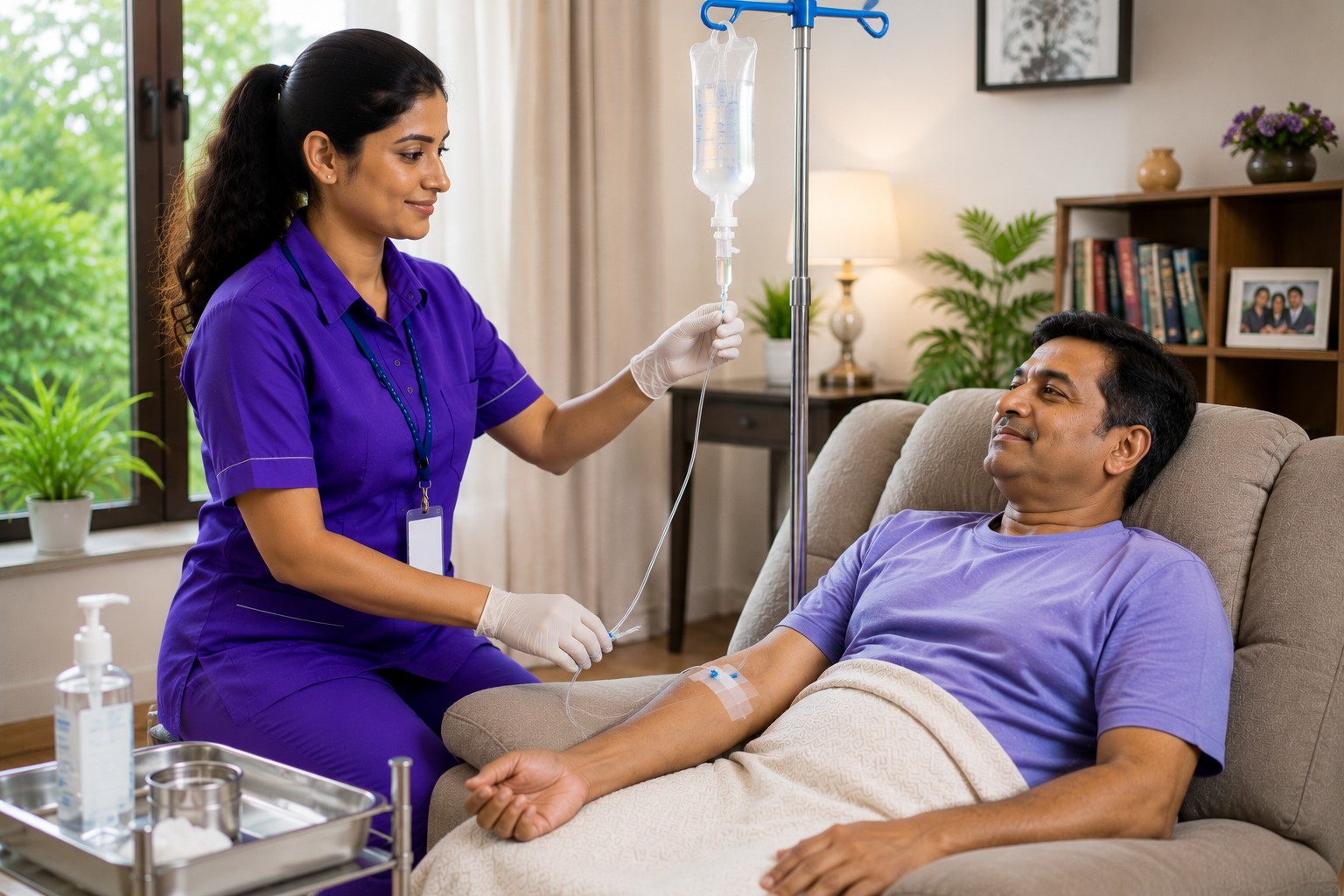
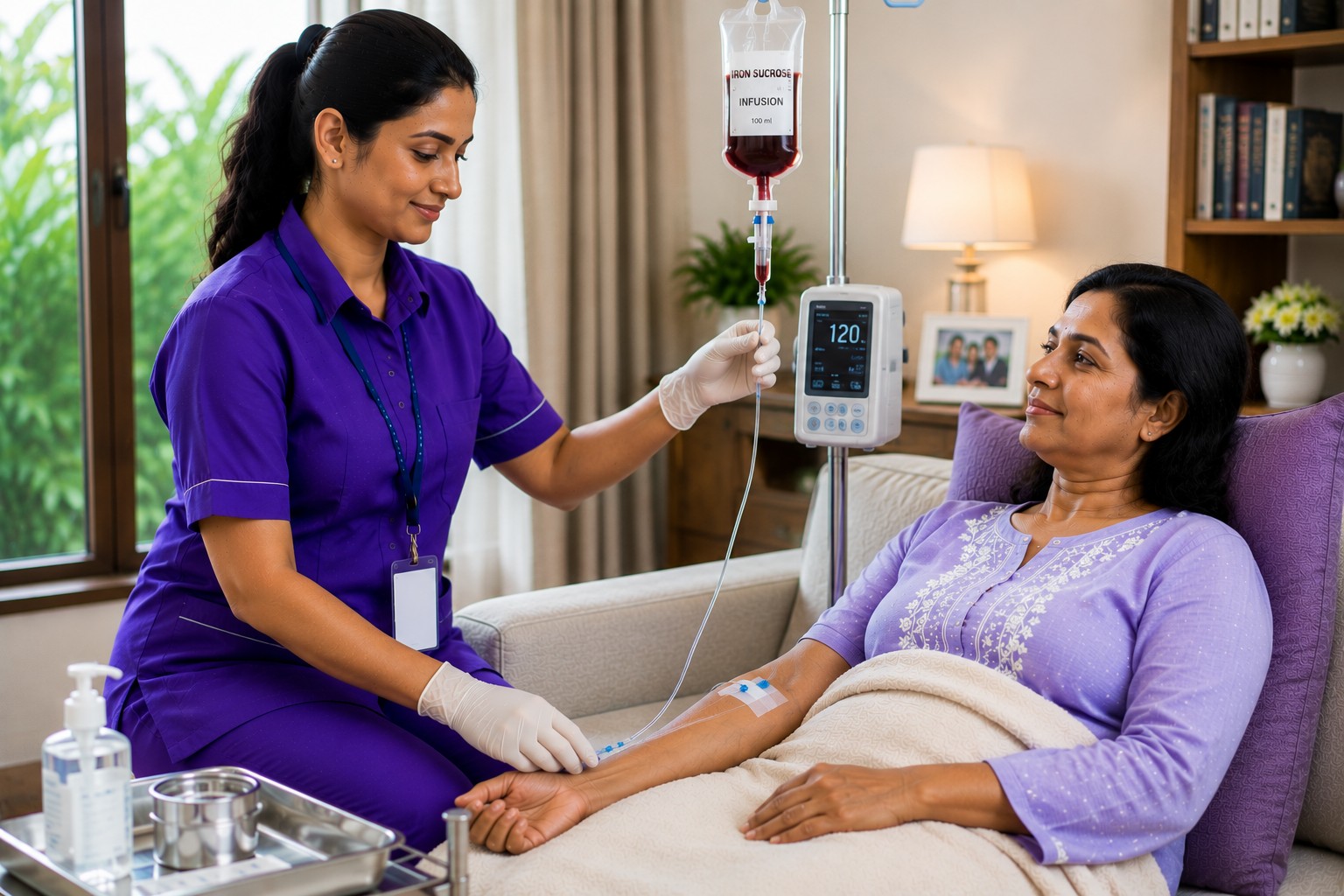
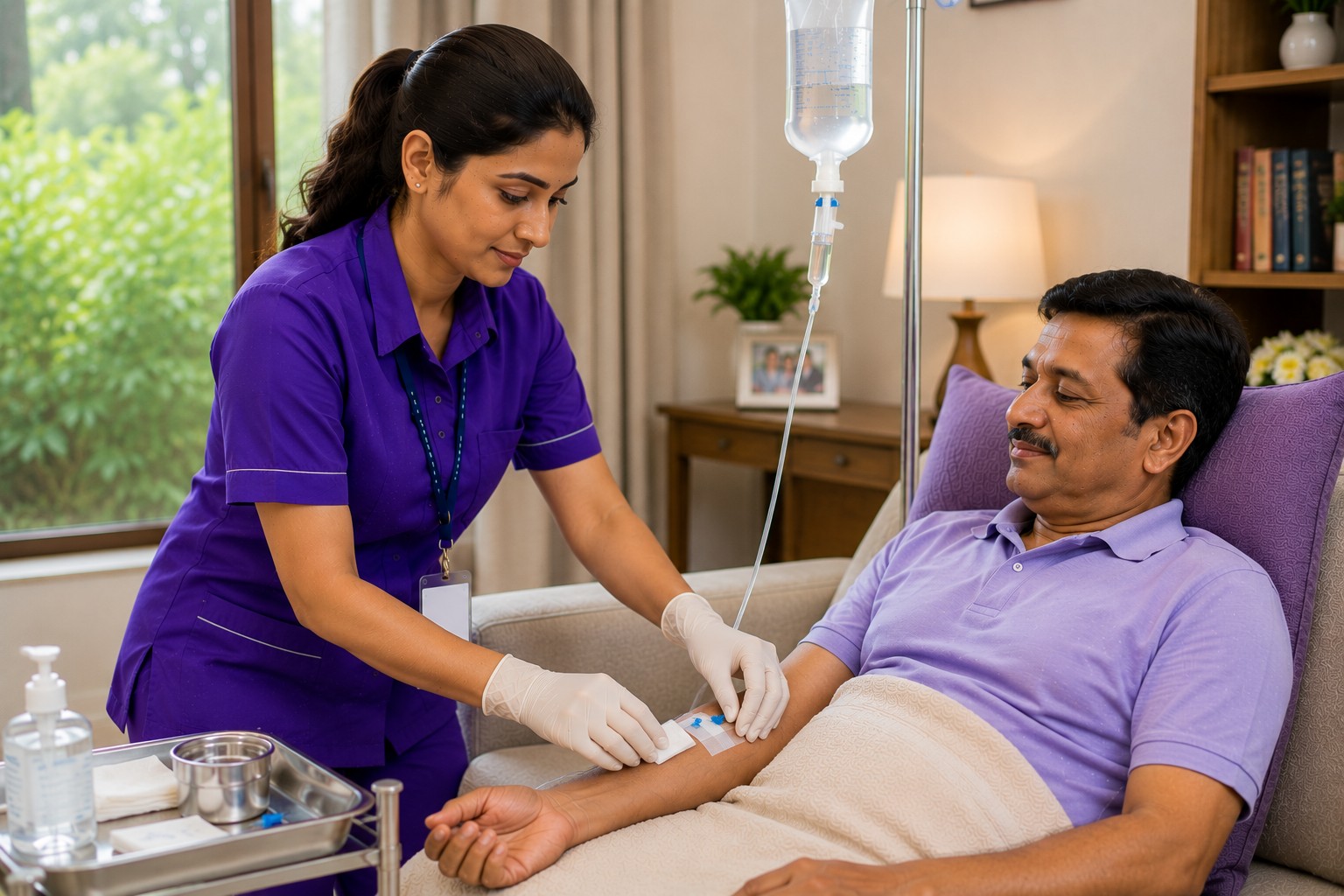
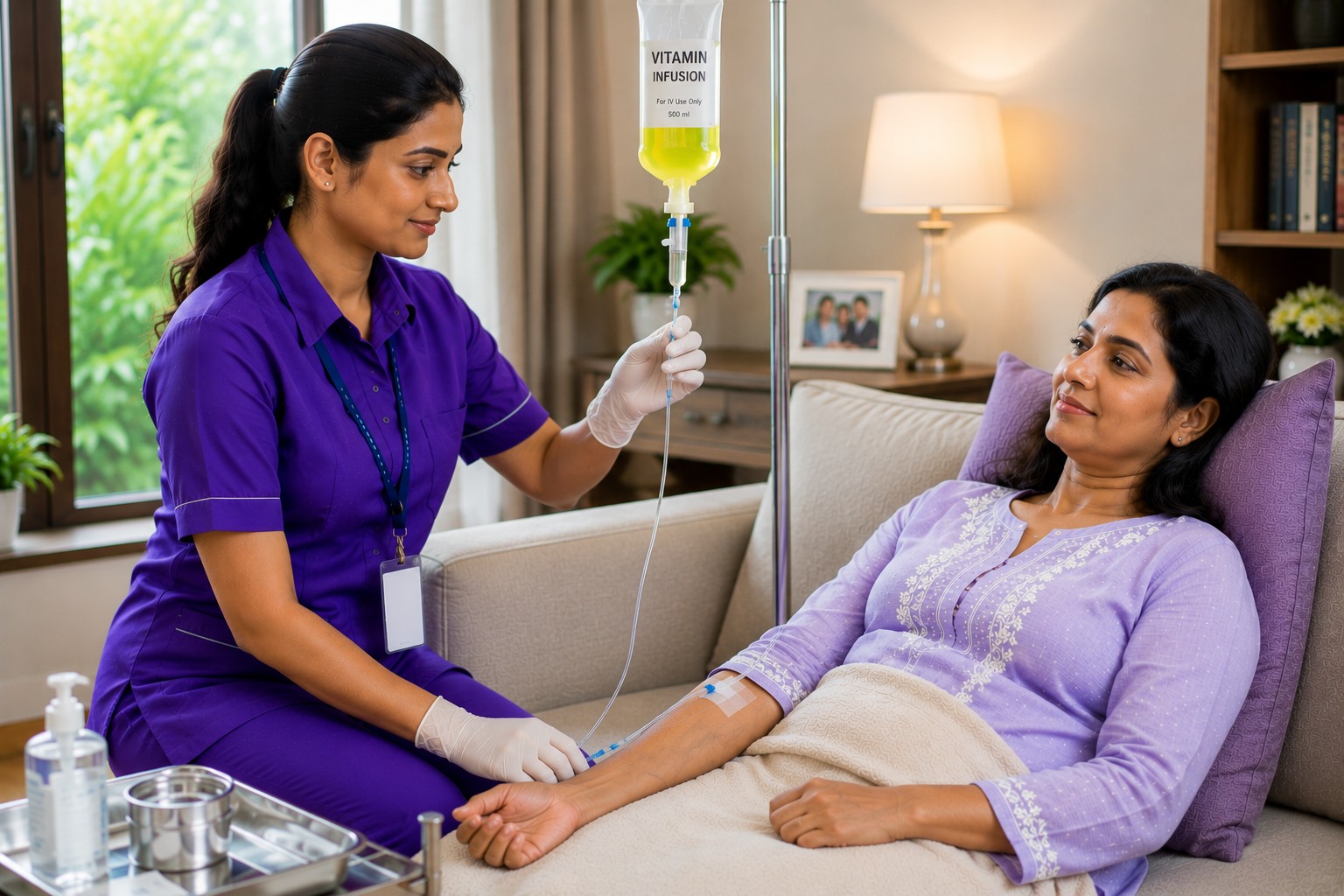
When our qualified IV nurse arrives at your home for central line care, they will begin by ensuring a clean and sterile environment. The visit typically includes a thorough assessment of your central line insertion site for any signs of infection or irritation. They will perform sterile dressing changes using aseptic techniques to prevent contamination. The nurse will also carry out essential line flushing procedures to keep the catheter clear and patent, and cap changes as needed. Throughout the process, our nurse will communicate clearly with you, answering any questions and providing reassurance. Your comfort and safety are our top priorities during every visit.
To ensure a smooth and effective visit, please have your central line supplies readily accessible if you have them. Our nurse will bring sterile equipment and dressings. It's helpful to have a clean, well-lit space available for the procedure. After the visit, it's important to keep the dressing clean and dry and to follow any specific instructions given by our nurse regarding site care and activity. If you notice any unusual symptoms such as redness, swelling, fever, or leakage around the site, please contact us immediately. Regular, professional care is key to preventing issues and ensuring your central line functions optimally.
Care At Door brings trusted healthcare services to homes across Kavi Nagar with trained professionals and convenient scheduling. From nursing care and injections to diagnostics, vitals monitoring, dressing care, and elderly support, every service is delivered with a focus on safety and comfort. Our experienced healthcare providers follow professional standards while ensuring patients receive personalized attention at home. Digital updates, transparent communication, and easy WhatsApp booking make the entire experience simple and stress-free. Whether the need is routine, planned, or urgent, reliable home healthcare is always available in Kavi Nagar. Families can depend on quality medical support without unnecessary hospital visits.
Book Your Service Easily
Booking Central Line Care is simple. You can send us a message on WhatsApp or visit our website to tell us about your needs and schedule a visit.
Confirmation and Scheduling
Once we receive your request, our team will confirm the details and work with you to find a convenient date and time for our nurse to visit your home.
Professional Arrives at Your Home
On the scheduled day, a certified and experienced IV nurse from Care At Door will arrive at your doorstep, equipped with all necessary supplies for your central line care.
Expert Care and Follow-Up
Our nurse will perform all required procedures, including sterile dressing changes and site assessment, with utmost care. We'll also provide guidance and a follow-up plan to ensure your continued well-being.
Verified Professionals
Our IV nurses are certified and experienced in all aspects of central line management, ensuring expert care for your specific needs.
Safe & Hygienic
We use only sterile, single-use consumables and follow strict aseptic techniques to minimize infection risk during every procedure.
Home Convenience
Receive essential central line care in the comfort and familiarity of your own home, avoiding stressful hospital visits.
Transparent Pricing
Enjoy upfront, clear pricing with no hidden fees. You pay only after the service is completed to your satisfaction.
Clinical Excellence
Our nurses perform thorough site assessments and meticulous procedures, ensuring the integrity and functionality of your central line.
Specialized Care
Experience dedicated, specialized nursing attention for your central line, providing peace of mind and preventing potential issues at home.
We provide doorstep healthcare services across the following areas in Kavi Nagar.
The service for Central Line Care at home costs ₹699 for the procedure itself. Additionally, there is a visit fee that applies depending on your location. The total amount is collected at the time of service.
A typical Central Line Care session at home takes approximately 30 to 45 minutes. This allows our nurses to perform all necessary procedures thoroughly and safely.
Patient safety and sterility are our top priorities. Our nurses are highly trained in aseptic techniques and use sterile equipment and supplies for every procedure. We follow strict protocols to prevent infections and ensure the well-being of our patients.
For Central Line Care, please ensure a clean and well-lit area is available for the nurse to work. Having your central line dressing kit and any prescribed medications (if applicable) readily accessible will also be helpful. The nurse will bring all necessary sterile supplies.
Your Central Line Care will be performed by our experienced and specially trained IV nurses. They are qualified professionals with expertise in managing central venous catheters.
After the Central Line Care service, our nurse will ensure the site is clean, dry, and securely dressed. They will provide you with any necessary post-care instructions and answer any questions you may have. You can then resume your normal activities as advised by your doctor.
Yes, absolutely. Our specialized Central Line Care at home is designed to actively prevent complications. Through regular sterile dressing changes, proper line flushing, and vigilant site assessment, our trained nurses significantly reduce the risk of infections, clots, or blockages, ensuring your central line functions optimally and safely.
We provide a wide range of medical services including nursing, injections, diagnostics, ambulance support, X-rays, and elderly care. Service availability depends on your location and selected time.
Booking can be completed easily through WhatsApp. Our team confirms your appointment and assigns a suitable healthcare professional.
Yes, appointments can be booked for a future date and preferred time. Advance scheduling helps ensure convenient availability.
Some services require a valid prescription while others do not. Our team will inform you about any documents needed during booking.
Our healthcare professionals follow hygiene and safety protocols during every visit. Necessary protective practices are maintained throughout the service.
Yes, you can arrange services for parents, children, or any family member. We ensure the assigned provider matches the patient's healthcare needs.
Professional healthcare at your doorstep. Book now on WhatsApp.
Book on WhatsApp