Professional suturing for minor wounds in the comfort of your home.
A valid prescription from a registered doctor is required before availing this service.
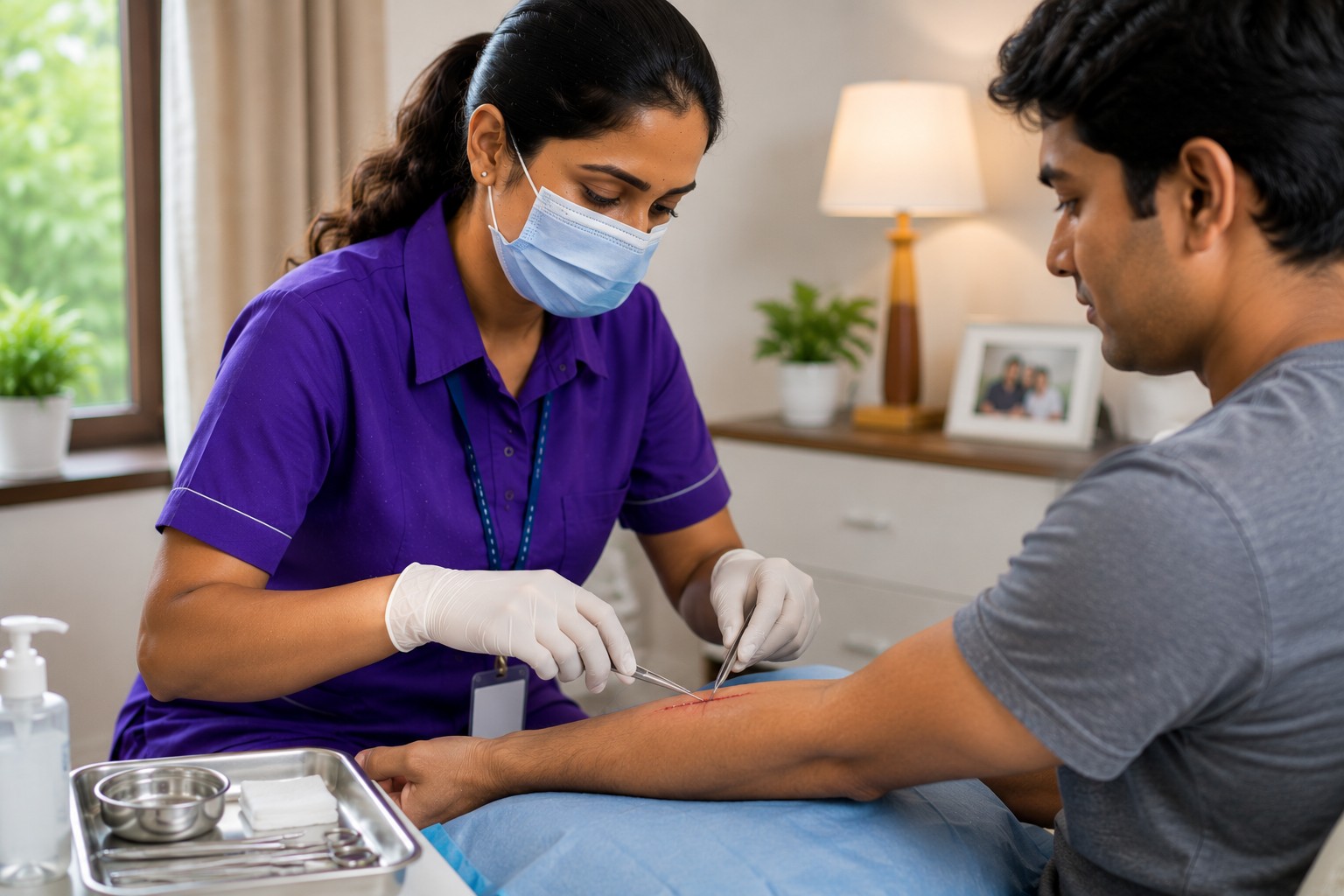
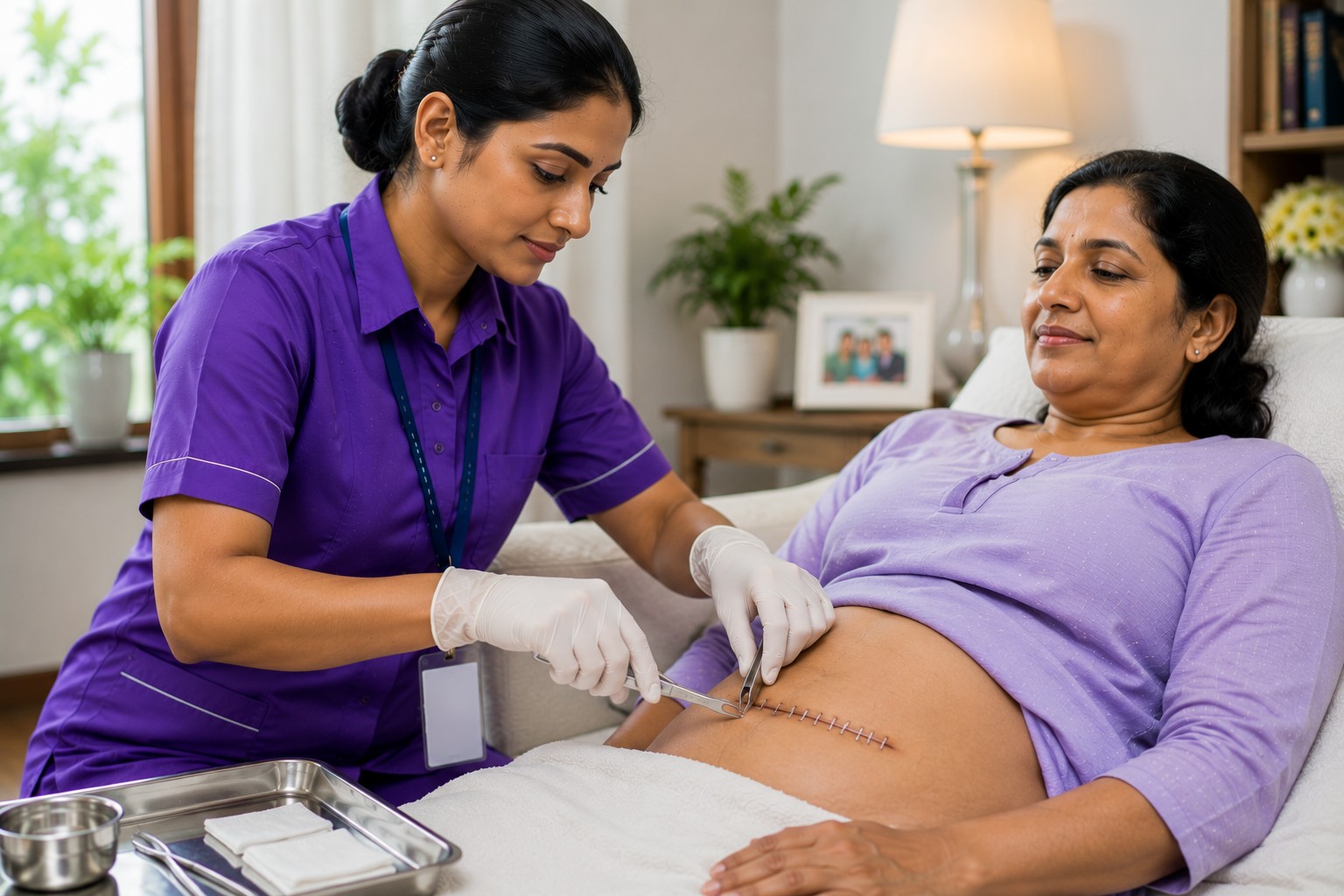
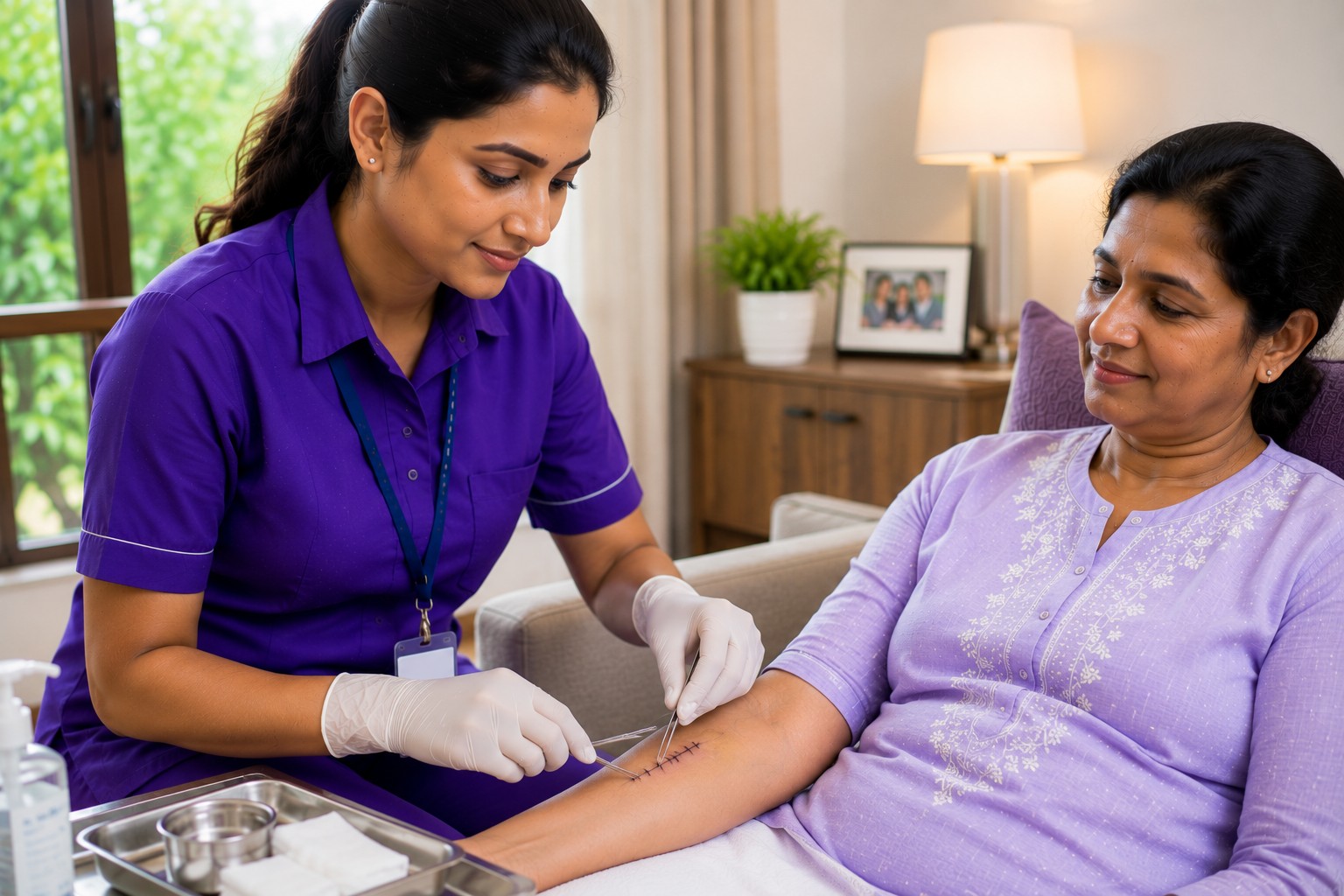
At Care At Door, we understand that even minor cuts and lacerations can cause distress and require prompt attention. Our specialized Minor Suturing service brings professional wound closure directly to your doorstep. Our highly trained and experienced wound care nurses are equipped to handle appropriate minor wounds and superficial lacerations, ensuring they are closed with precision and care. This service is designed for individuals who need stitches for manageable injuries and prefer the comfort and convenience of receiving care in their own familiar surroundings. You can expect a sterile, safe, and compassionate approach, focusing on optimal wound healing and minimizing the need for potentially stressful trips to the emergency room for suitable cases.
Opting for Minor Suturing at home offers significant advantages. It eliminates the anxiety and inconvenience of travel, especially when you're feeling unwell or in pain. Our service ensures a familiar and relaxed environment, which can aid in faster recovery. By bringing expert care to you, we reduce exposure to hospital-acquired infections and provide a personalized experience. Our nurses utilize sterile techniques and advanced wound care knowledge to ensure the best possible outcome, promoting efficient healing and minimizing the risk of complications, all within the privacy and comfort of your home.
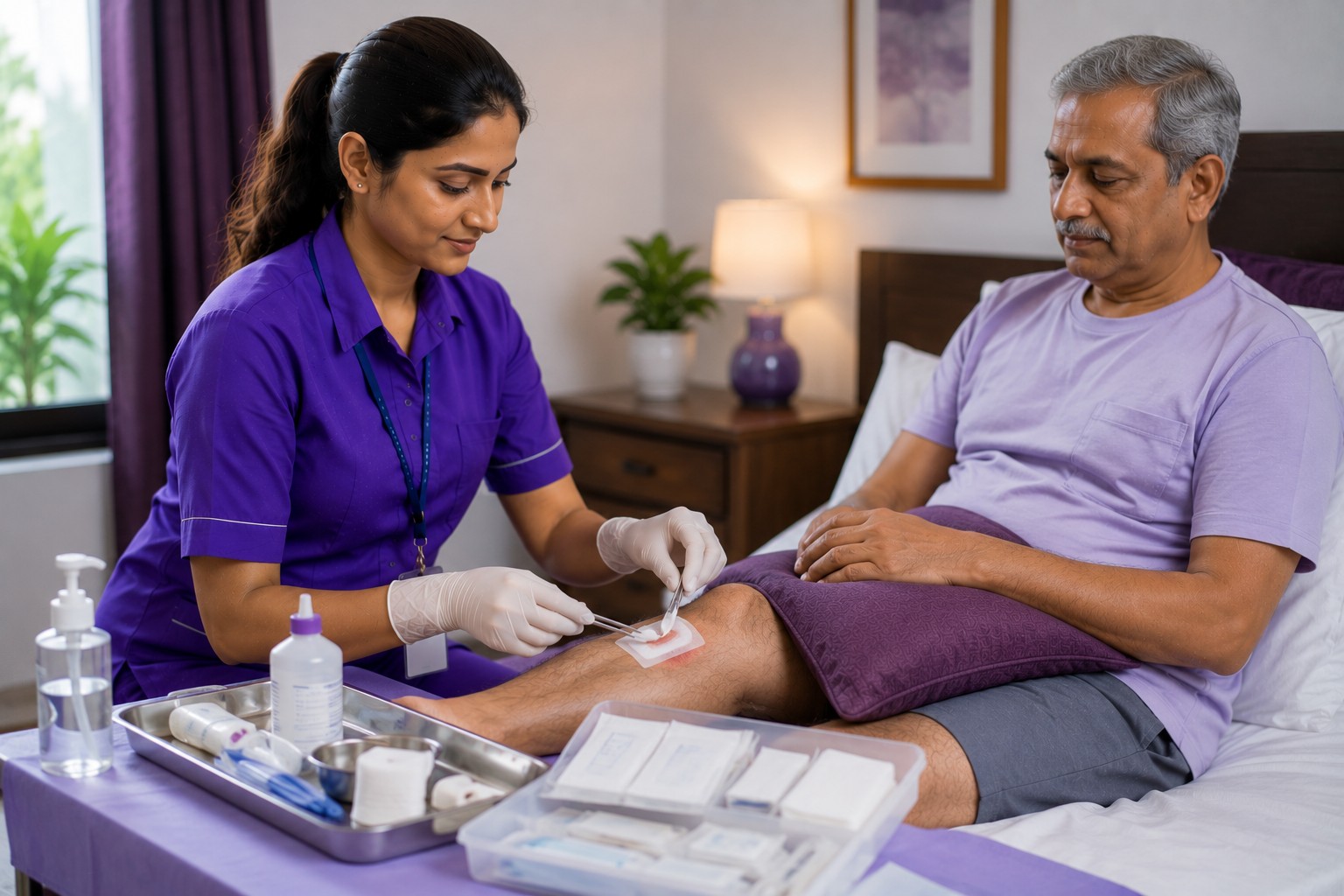
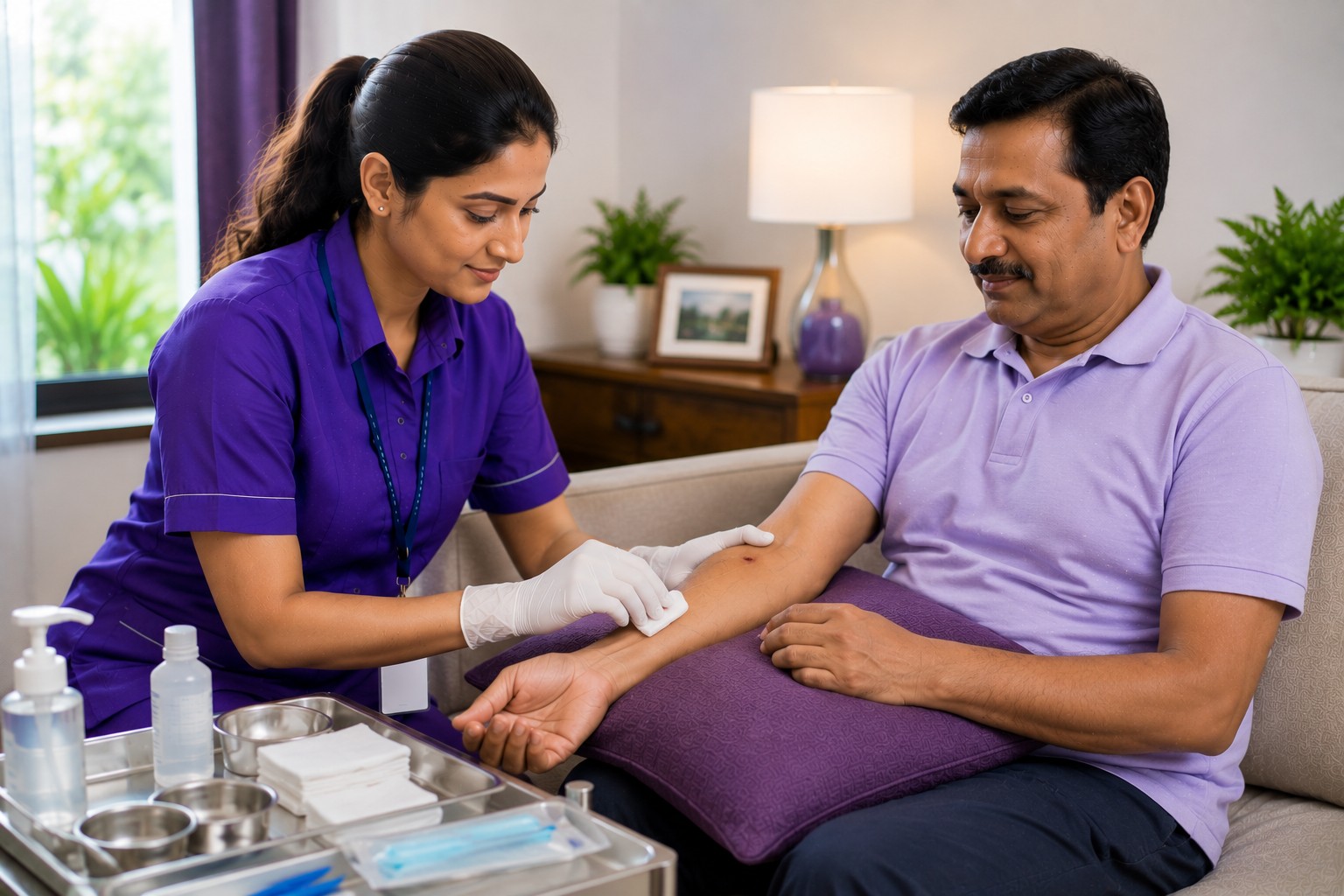
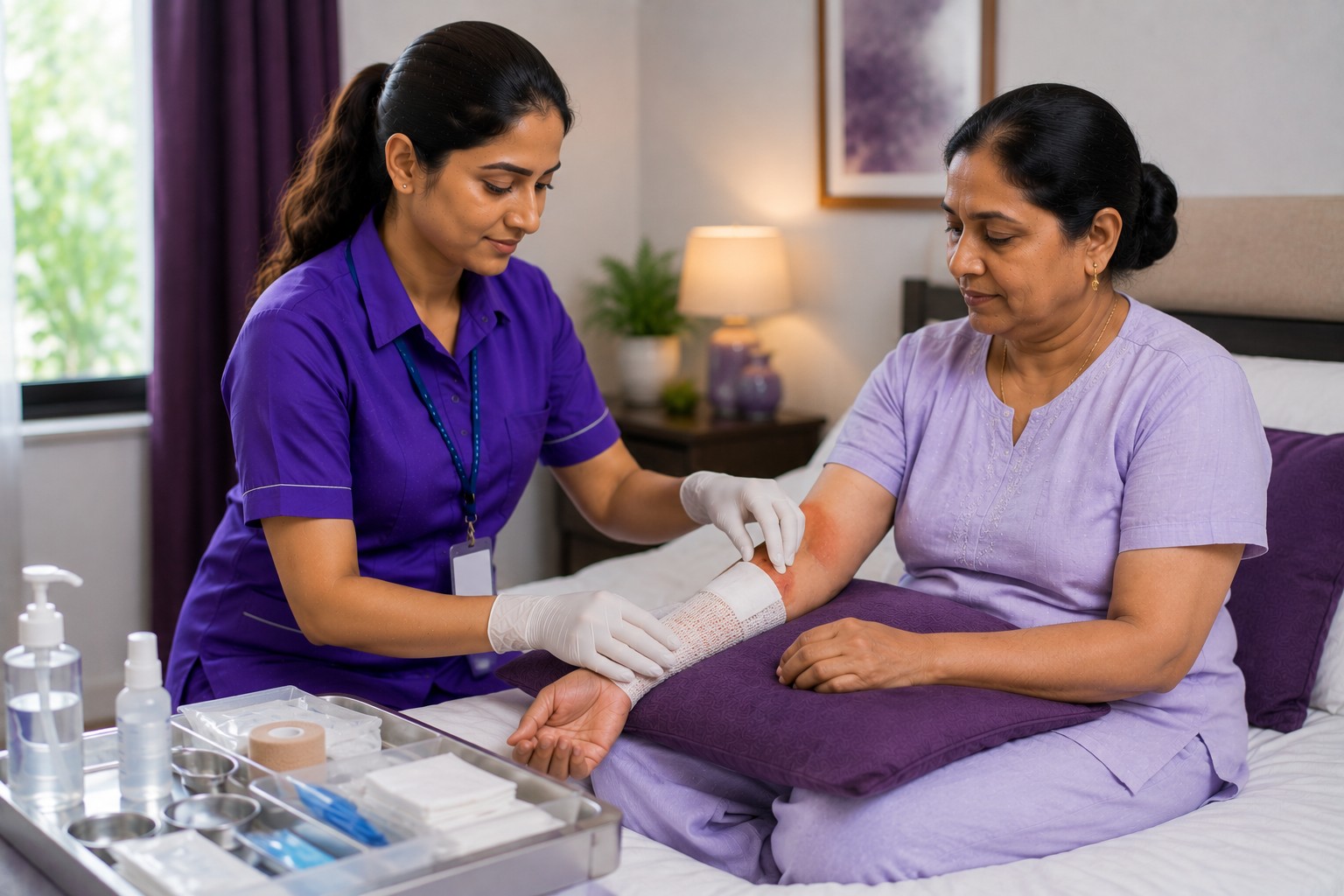
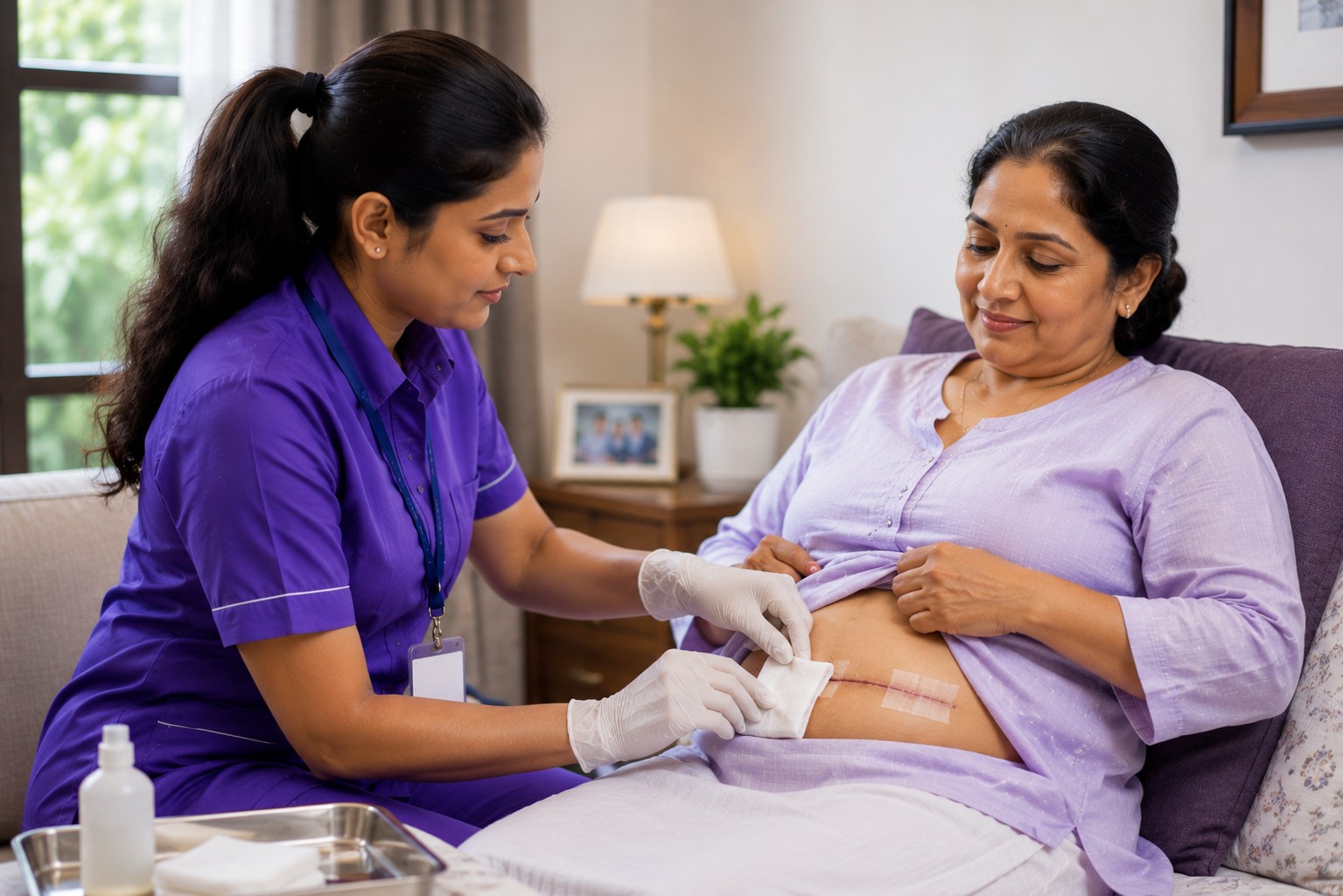
When our skilled wound care nurse arrives at your home for Minor Suturing, they will begin with a thorough assessment of your wound. They will explain the procedure clearly and answer any questions you may have. Using sterile instruments and adhering to strict hygiene protocols, the nurse will gently clean the wound area before expertly closing it with sutures. Following the closure, they will apply a sterile dressing and provide clear instructions on wound care, pain management, and signs to watch for. Our goal is to make the process as comfortable and stress-free as possible, ensuring your wound is in the best hands.
To ensure a smooth Minor Suturing experience at home, please have the injured area easily accessible. If you have any pre-existing medical conditions or are taking specific medications, please inform your nurse upon arrival. After the suturing, it's crucial to follow the aftercare instructions provided by your nurse diligently. This includes keeping the wound clean and dry, changing dressings as advised, and monitoring for any signs of infection, such as increased redness, swelling, pain, or discharge. Your nurse will guide you on when to schedule a follow-up appointment for suture removal, if necessary.
Crossing Republik residents can access a complete range of professional healthcare services from the comfort of home. Our experienced team delivers nursing, diagnostics, injections, wound care, elderly support, and many other services with proper safety standards. Every visit is scheduled to suit your convenience and medical requirements. We focus on timely arrivals, qualified professionals, and transparent service. Whether you need a one-time visit or ongoing care, booking is quick and hassle-free.
Book Your Service
Easily book your Minor Suturing service by sending us a message on WhatsApp or by filling out the simple form on our website. Let us know your needs, and we'll be there to help.
Confirmation and Scheduling
Once we receive your request, our team will quickly confirm your booking and work with you to schedule a convenient time for our nurse to visit your home.
Expert Arrives at Your Door
On your scheduled day, a qualified and experienced wound care nurse will arrive at your home, equipped with all necessary sterile supplies for your comfort and safety.
Professional Care and Support
Our nurse will expertly assess and perform the suturing for your minor wound, ensuring a clean and effective closure. We’ll also provide clear instructions for home care and any necessary follow-up.
Verified Professionals
Our nurses are trained in wound management and suturing techniques, ensuring expert care for your minor injuries.
Safe & Hygienic
We use sterile equipment and consumables, following strict protocols to prevent infection and promote safe wound closure.
Home Convenience
Receive professional suturing in your familiar surroundings, saving you time and the stress of travel for minor wounds.
Transparent Pricing
Know the cost upfront with clear pricing. You pay only after the service is completed to your satisfaction.
Clinical Excellence
Our nurses meticulously assess and close wounds, aiming for optimal healing and minimal scarring with precision.
Specialized Care
Get specialized attention for your minor lacerations at home, reducing the need for emergency room visits.
We provide doorstep healthcare services across the following areas in Crossing Republik.
The minor suturing service costs ₹499, plus a visit fee which may apply depending on your location. Payment is collected after the service is completed.
The suturing procedure itself is usually quite quick, often taking around 15-30 minutes. Your nurse will also spend time assessing the wound and providing aftercare instructions, so please allow for a bit more time overall.
Yes, it is safe. Our nurses are trained in sterile techniques and follow strict protocols to ensure the highest level of safety and hygiene during the procedure. They use sterile equipment and a clean environment to minimize any risk of infection.
Please ensure the area around the wound is clean and accessible. Having good lighting in the room is also helpful. Your nurse will bring all the necessary sterile equipment and supplies.
The suturing will be performed by our skilled and experienced wound care nurses. They are qualified to assess and manage minor wounds and perform suturing in a home setting.
Your nurse will provide detailed instructions on how to care for the sutured wound, including cleaning, dressing changes, and signs of infection to watch out for. They will also advise on when to schedule a follow-up or when the sutures can be removed.
Our home suturing service is for appropriate minor wounds and lacerations. The nurse will assess the wound upon arrival to determine if it is suitable for home-based suturing. If a wound is too deep, large, or shows signs of infection, they will advise you on seeking further medical attention at a clinic or hospital.
Booking is available through WhatsApp or our website. Choose your service, location, and preferred time.
Yes, same-day bookings are available whenever providers are available. Early booking increases appointment availability.
Yes, these services are designed to be delivered at your doorstep. Our team arrives with the required equipment whenever applicable.
Yes, you can choose a future date and convenient time. Advance scheduling helps ensure your preferred slot.
Yes, WhatsApp can be used for most healthcare bookings. Our support team will guide you through the process.
Yes, provider details are shared before the appointment whenever applicable. This helps you prepare for the visit confidently.
Professional healthcare at your doorstep. Book now on WhatsApp.
Book on WhatsApp